A mixed-use hotel development in Xingtai, Hebei, conceived as a destination within a destination. Situated at the edge of the city's emerging cultural precinct, XT Hotel integrates architecture, interior design, and a bespoke brand identity into a cohesive whole, from the carved approach sequence through to the hand-illustrated wayfinding system found throughout.
The commission encompassed the full scope of the guest experience: masterplan and exterior envelope, carefully proportioned guest rooms and alfresco dining spaces, and a complete brand language including typography, iconography, and a suite of bespoke touch-point objects. Each element of the brand was developed in dialogue with the architecture, ensuring that the hotel's identity is embedded in the fabric of the building rather than applied after the fact.
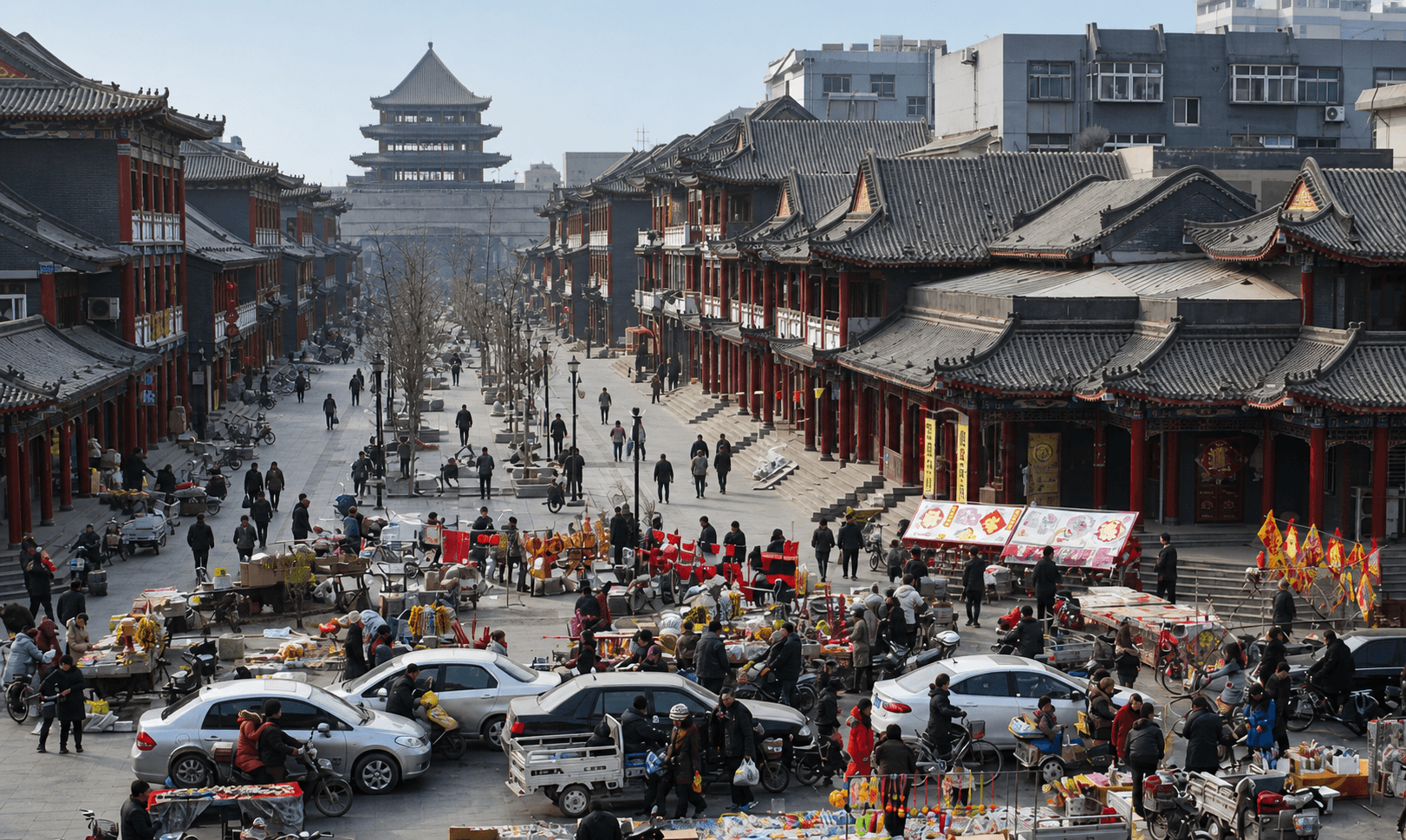
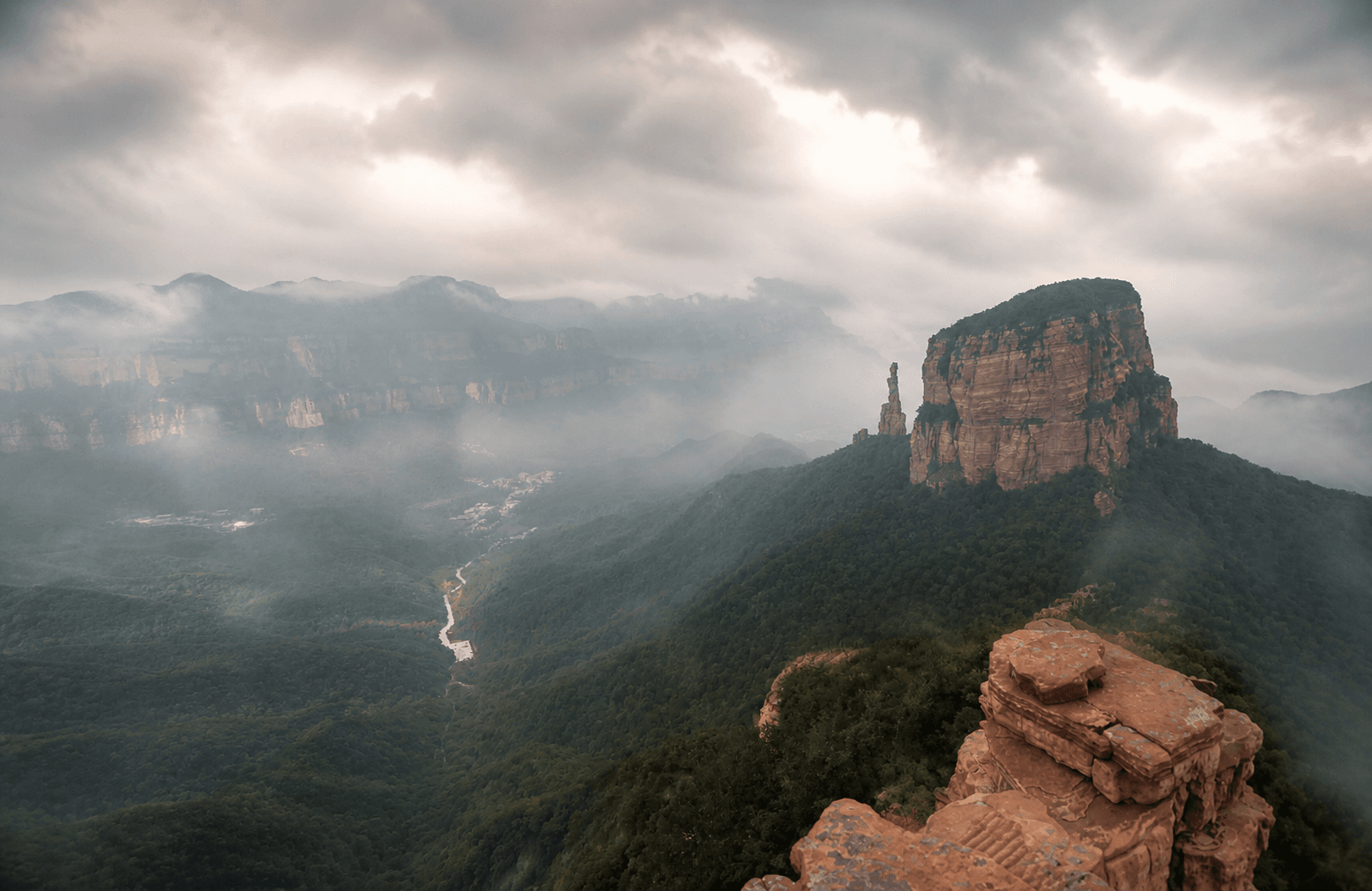
Xingtai sits in the southern reaches of Hebei Province, one of China's oldest continuously inhabited cities. A place shaped by layers of dynastic history and contemporary ambition, where ancient urban grain and rapid modernisation share the same streetscape. The hotel is conceived as a threshold between these two conditions: grounded in place, yet projecting toward a new civic identity for the precinct.

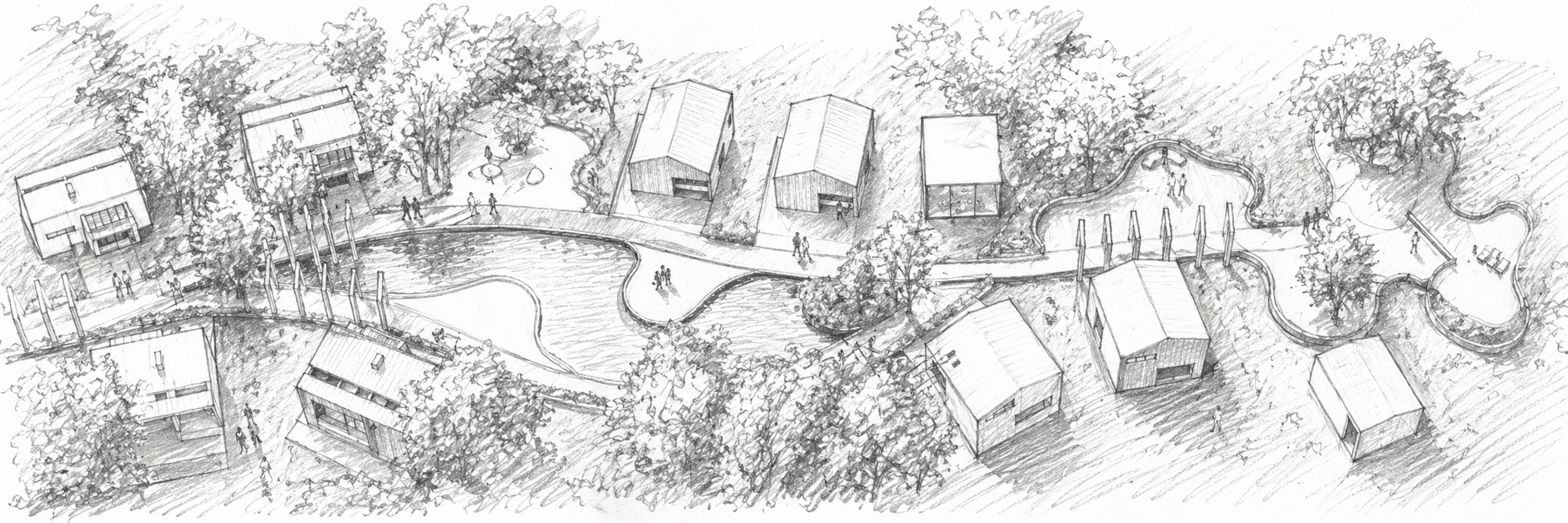
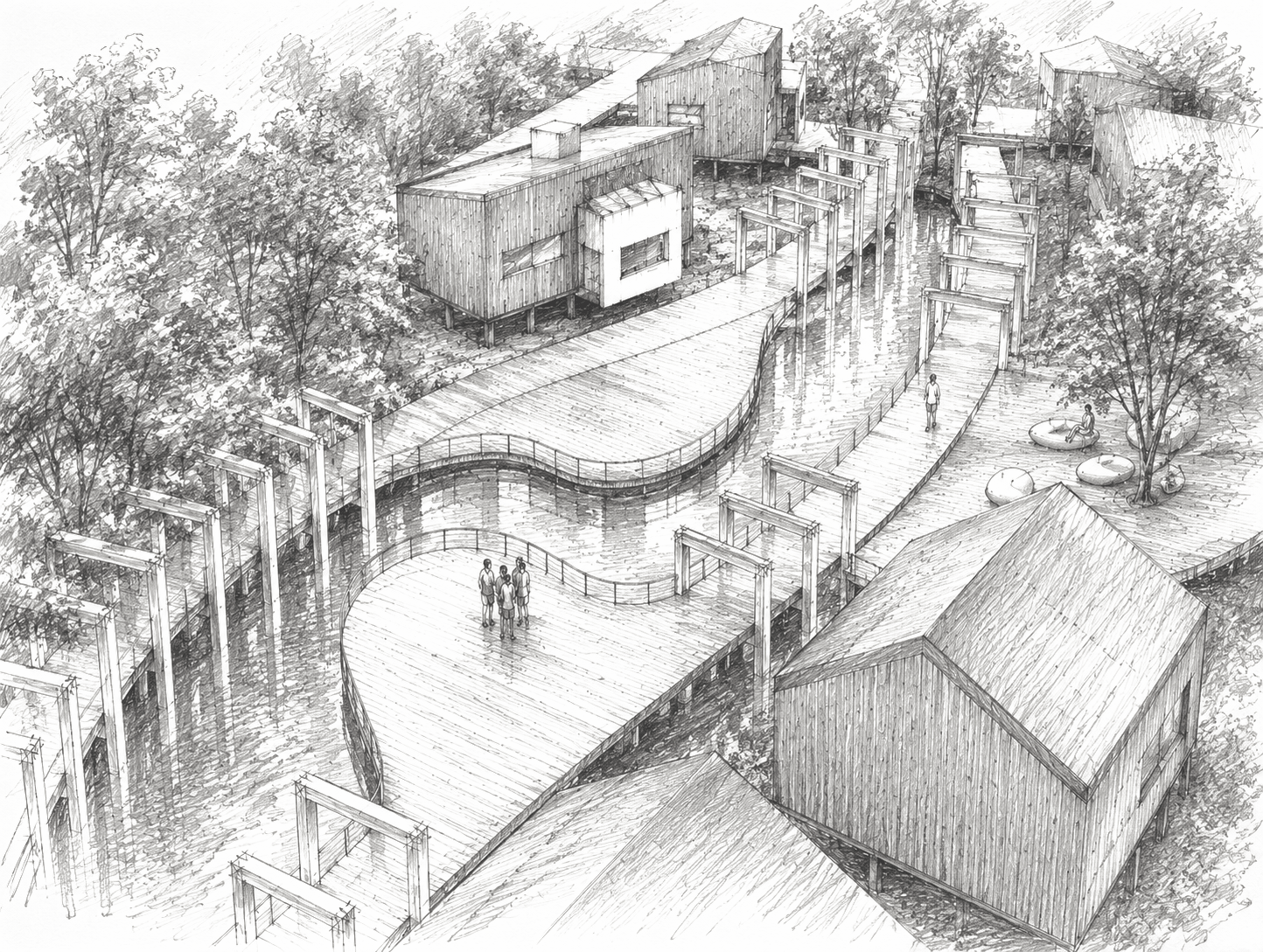
The masterplan began as a series of hand-drawn studies exploring how the hotel volume could negotiate the street edge while opening its core to light and greenery. The initial sketches established the datum lines that would govern every subsequent decision: sightlines, setbacks, the rhythm of openings along the facade.
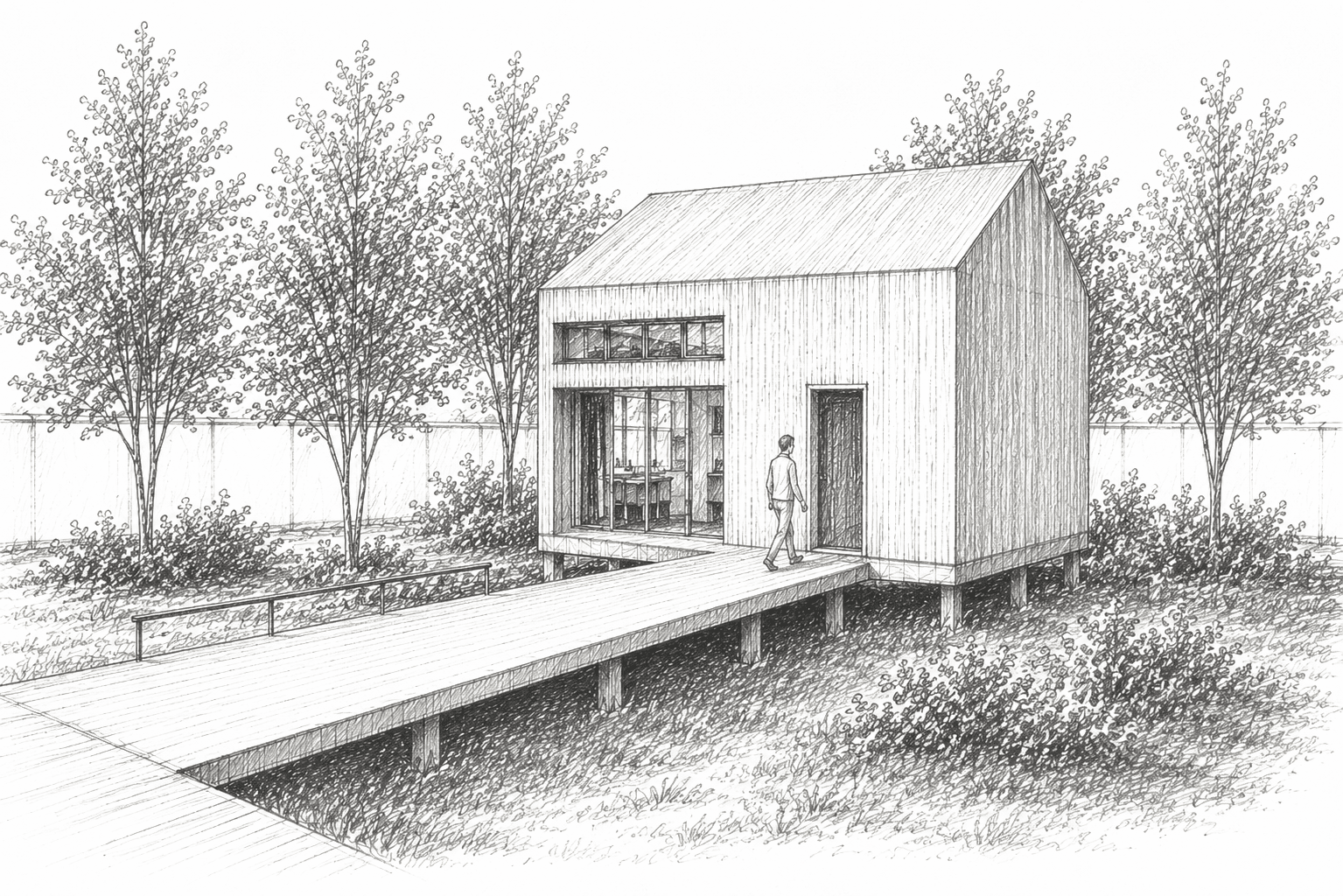
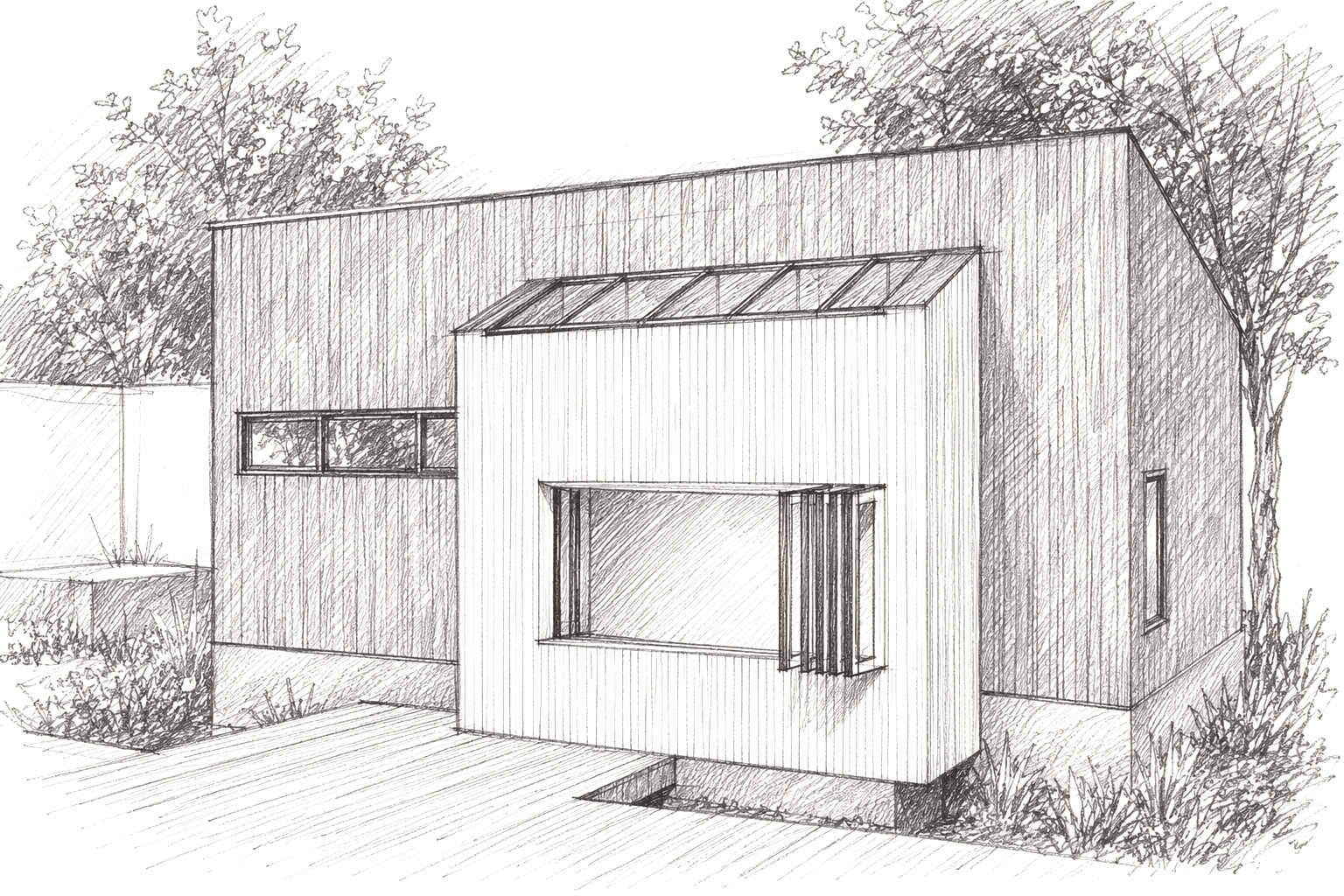
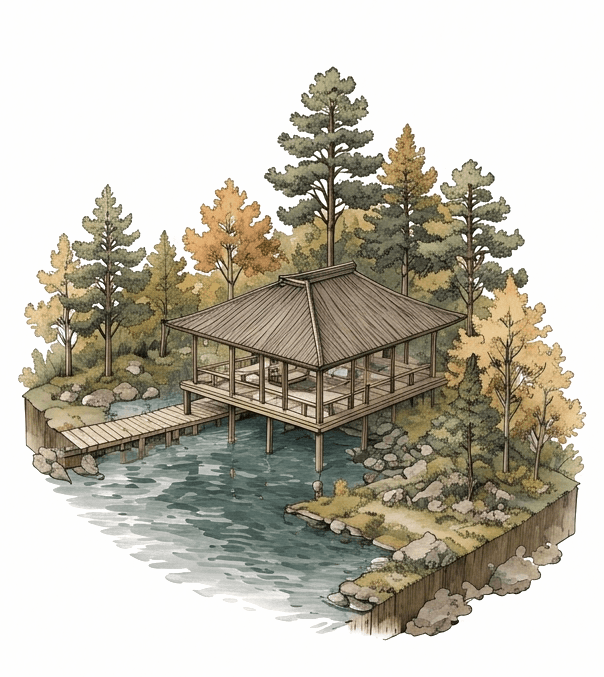
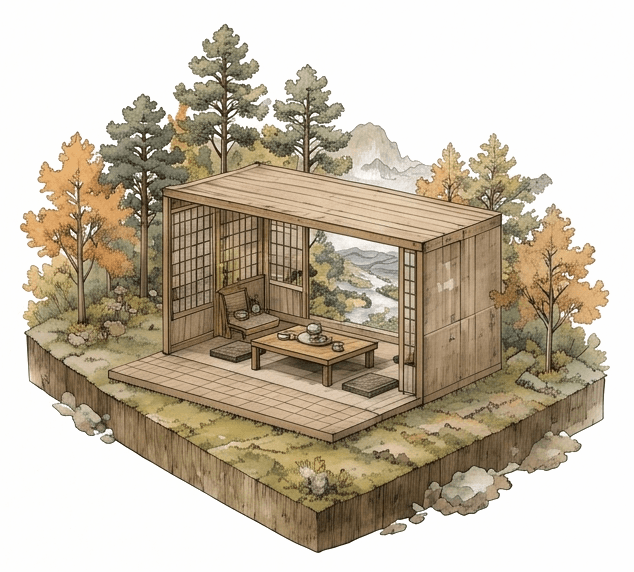
The interior programme is organised as a procession of distinct moments: a generous double-height reception that announces arrival, guest rooms calibrated for calm and repose, and alfresco dining niches that dissolve the boundary between inside and the landscaped terraces. Every space is composed to offer a specific quality of light at a specific time of day.
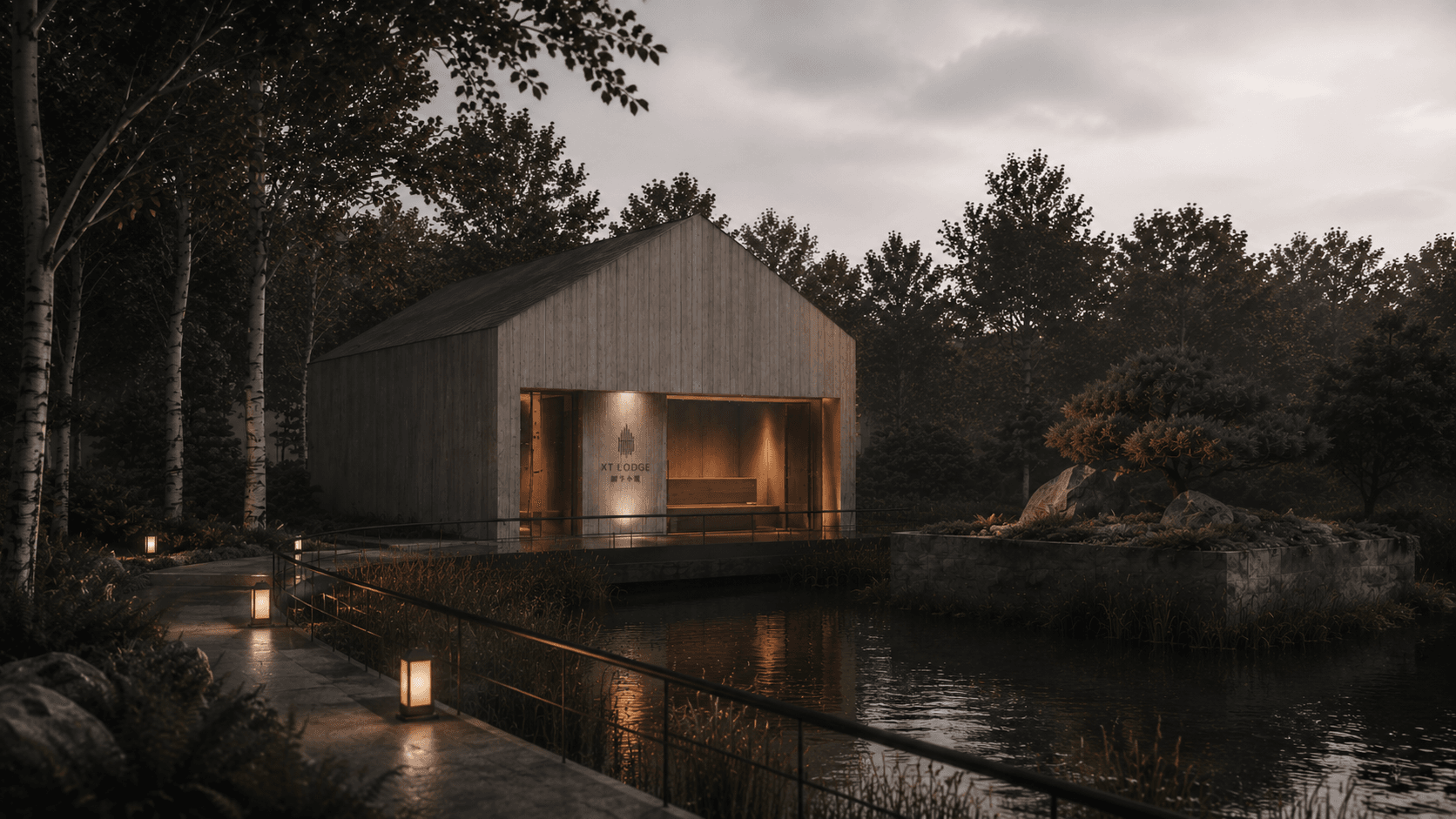
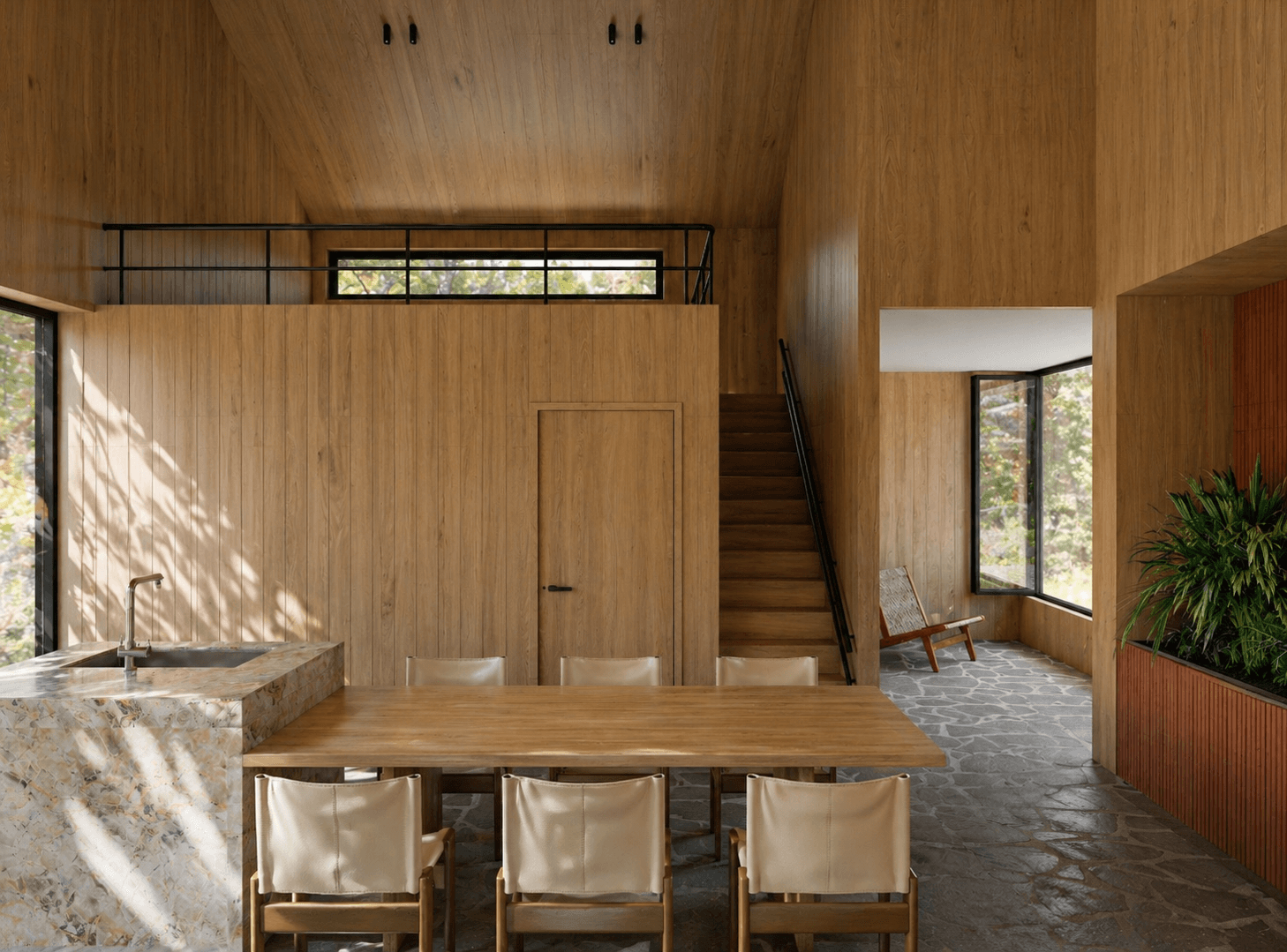
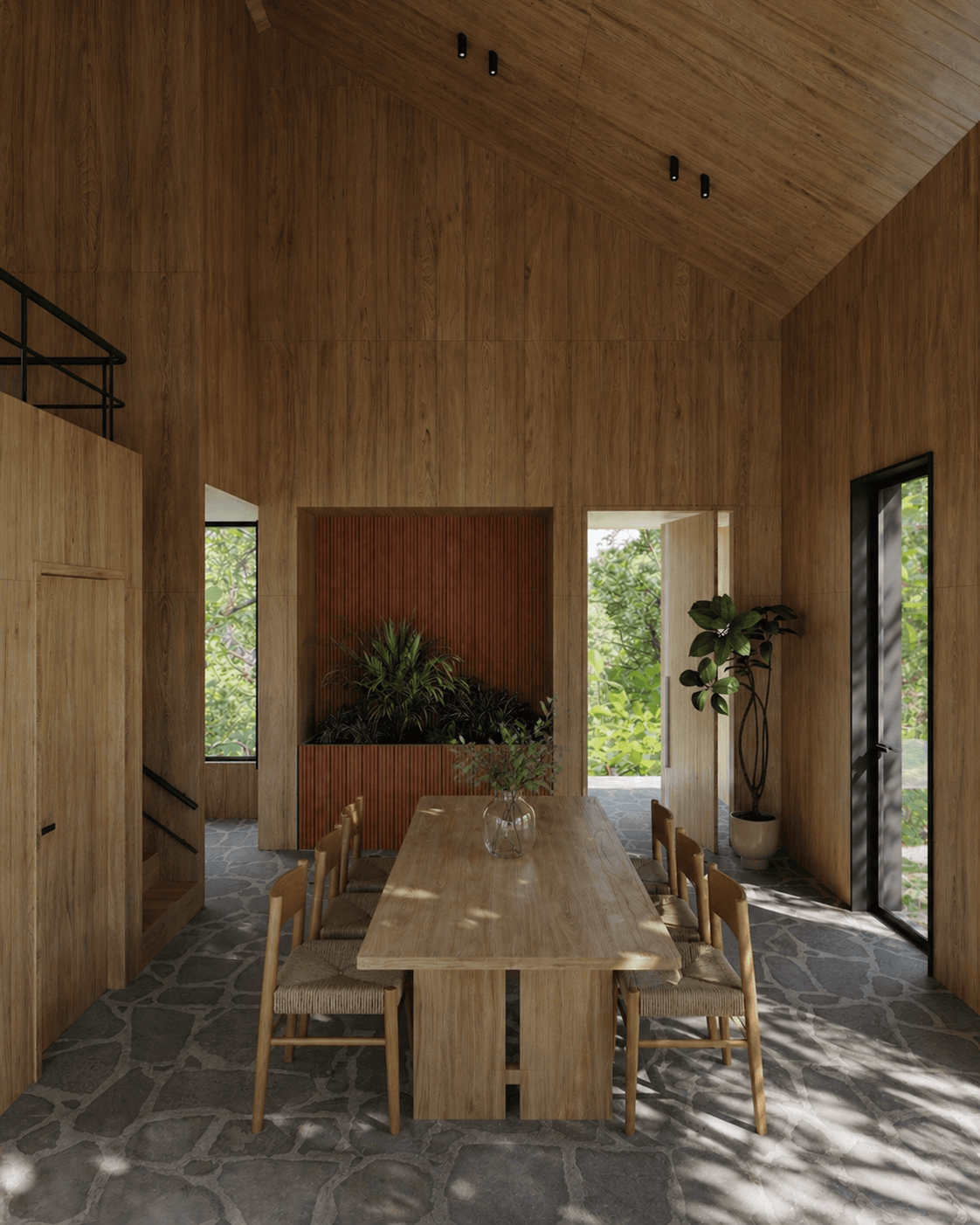
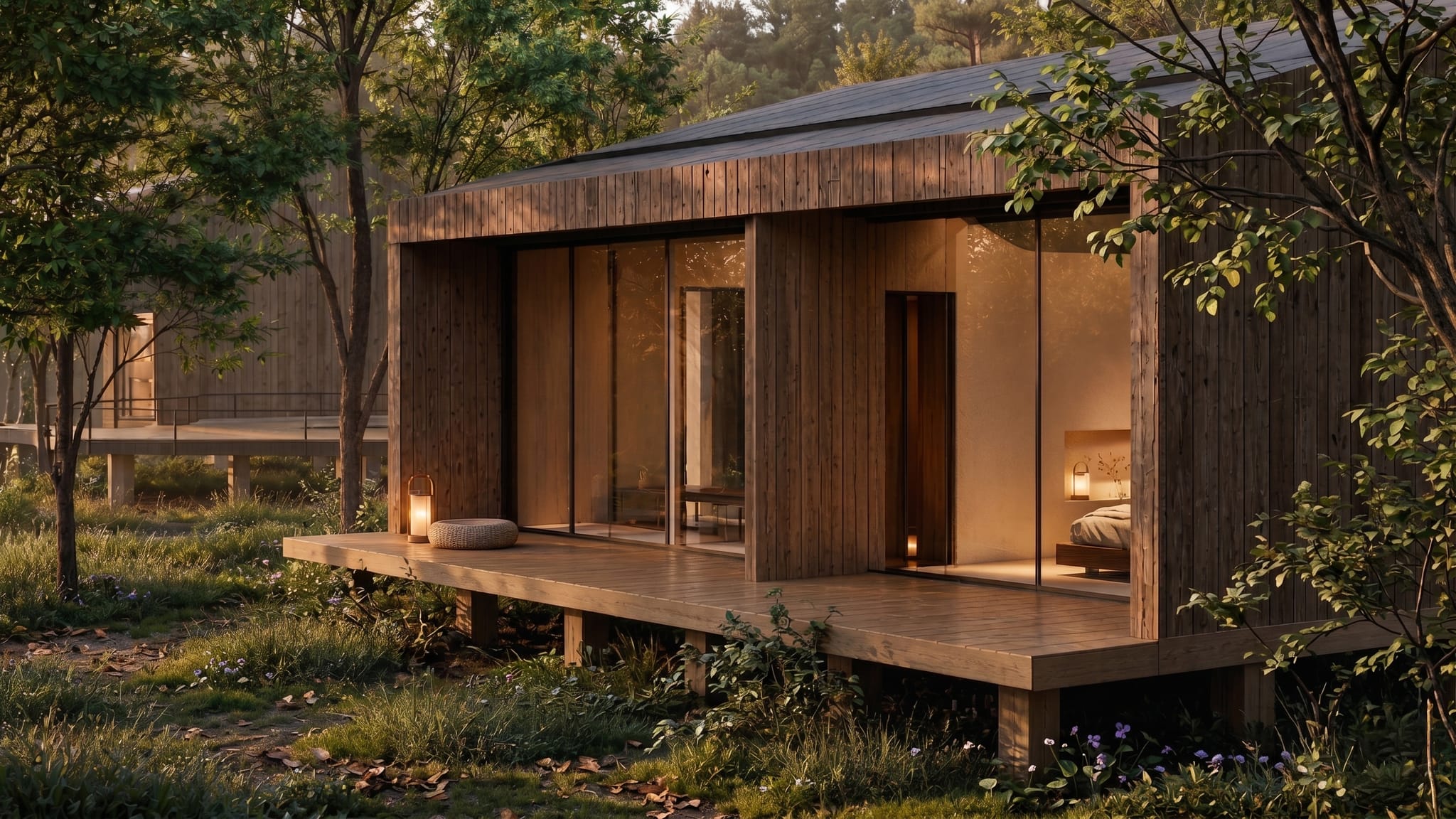
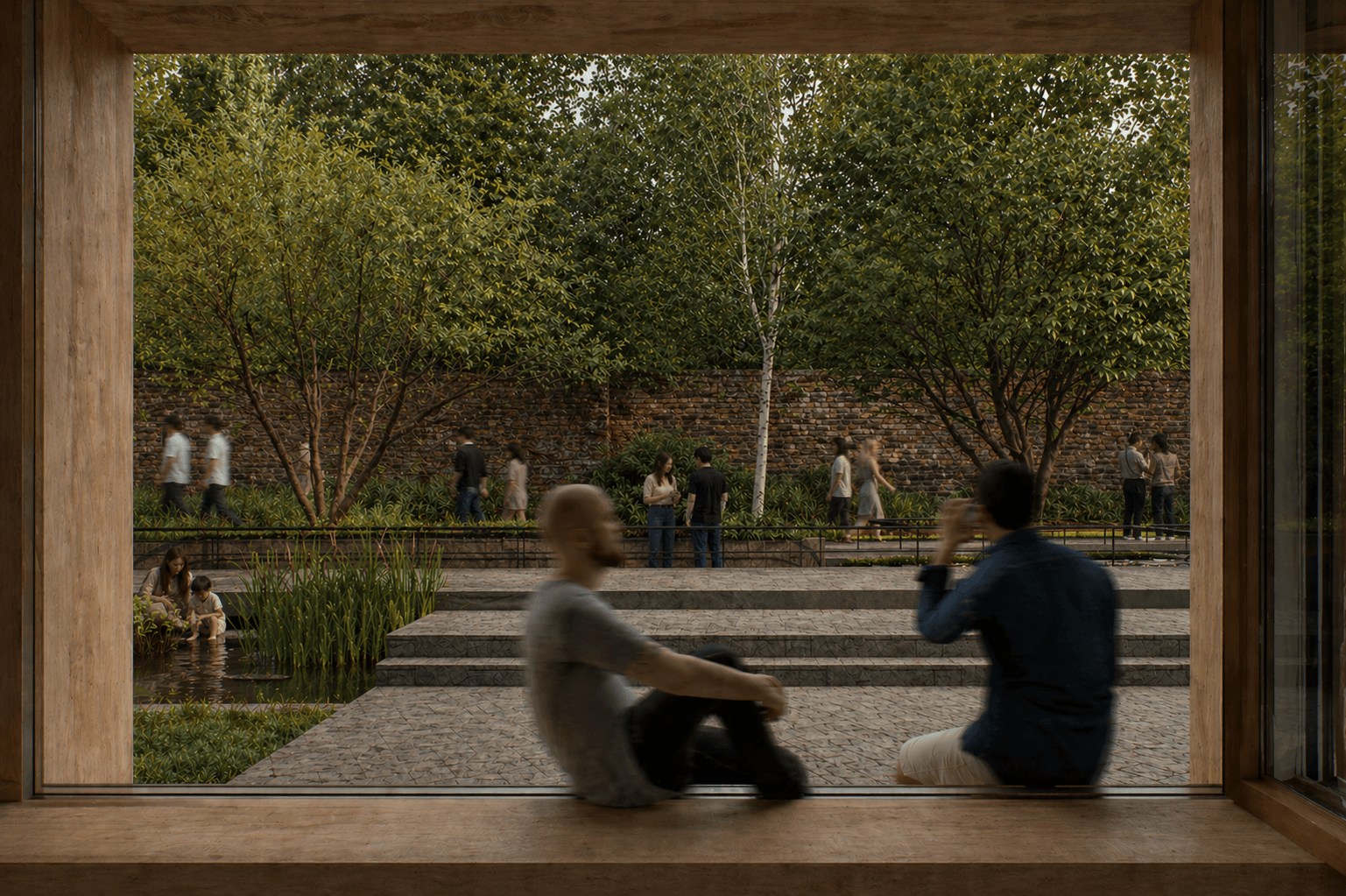
The alfresco nook is the counterpoint to the guest room, where the room offers enclosure and repose, this space opens to the garden and sky, designed as a place to linger. Materiality shifts subtly: raw nature gives way to warm timber, smooth stone to textured bricks.
The brand identity for XT Hotel was developed as an extension of the architectural language, not a separate system applied over the top, but a visual world that shares the same reference points. The mark draws on the geometry of traditional Chinese architectural ornament, simplified to a form that works equally at signage scale and in embossed relief on a key card.
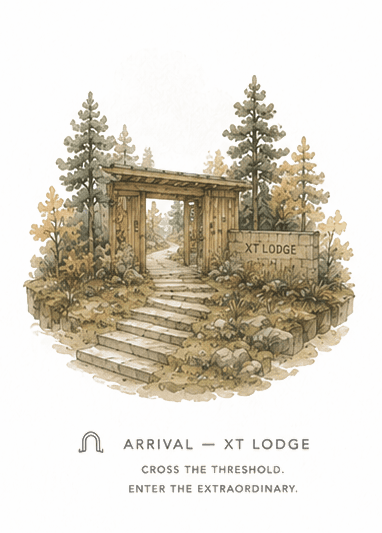
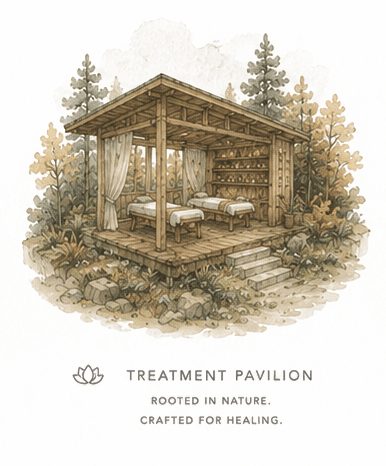
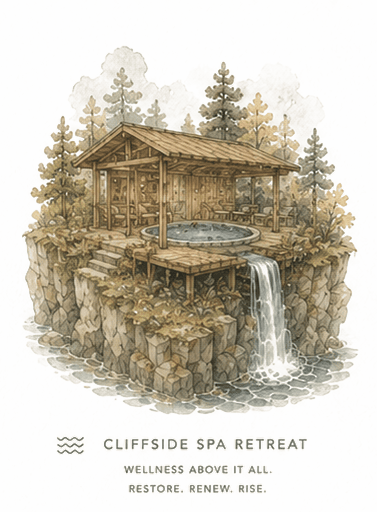
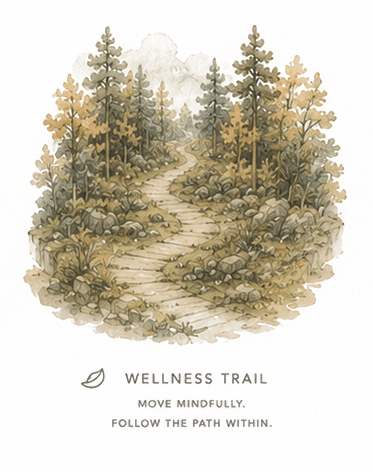
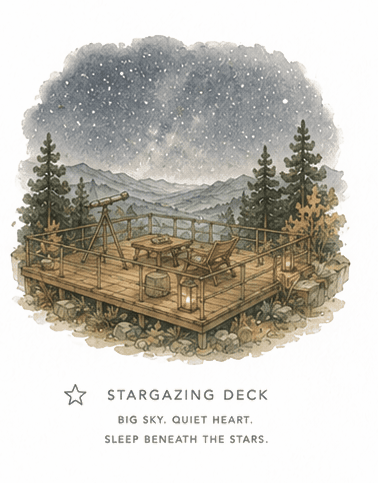
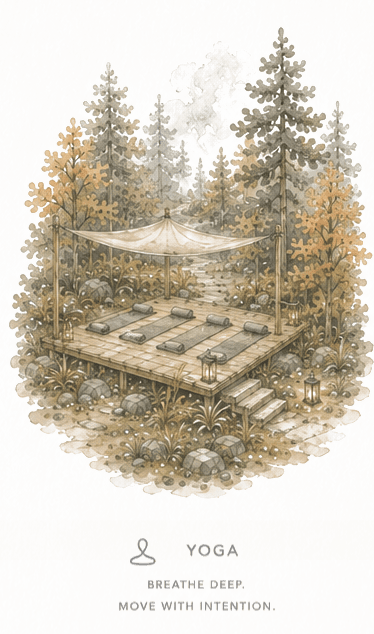
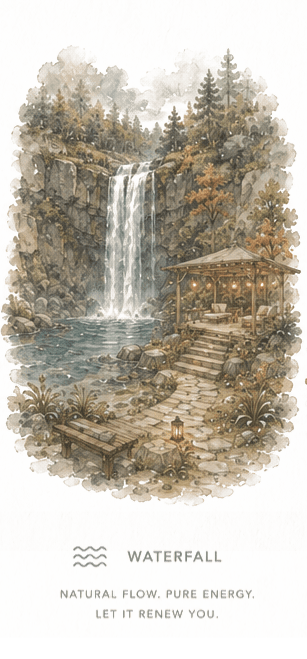
Each guest touchpoint was developed through an iterative sketch-to-render process. The hand-drawn studies allowed the design team to resolve proportion, detail, and material logic before committing to production. The sketches themselves became part of the brand narrative, evidence of a process that values craft at every scale.
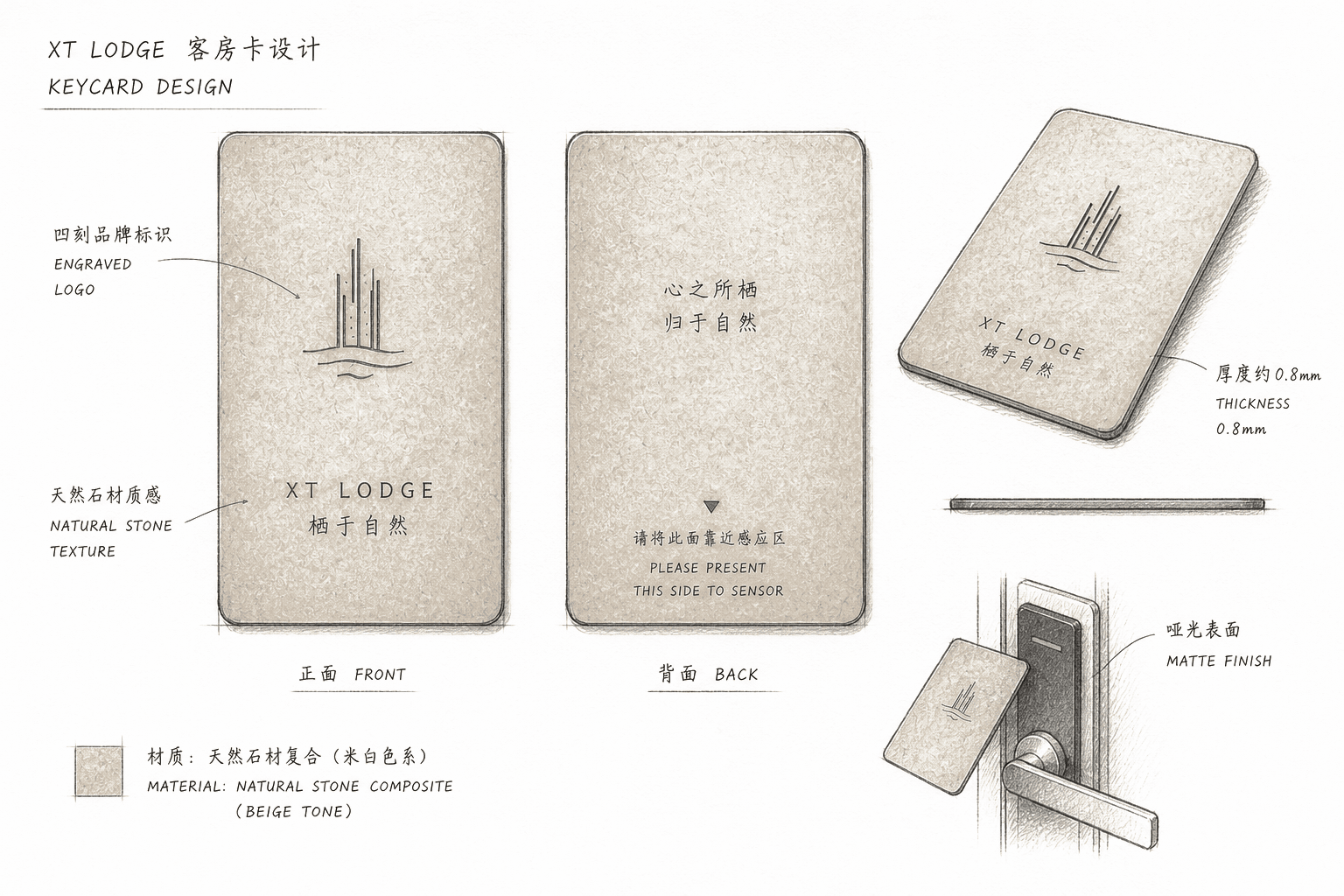
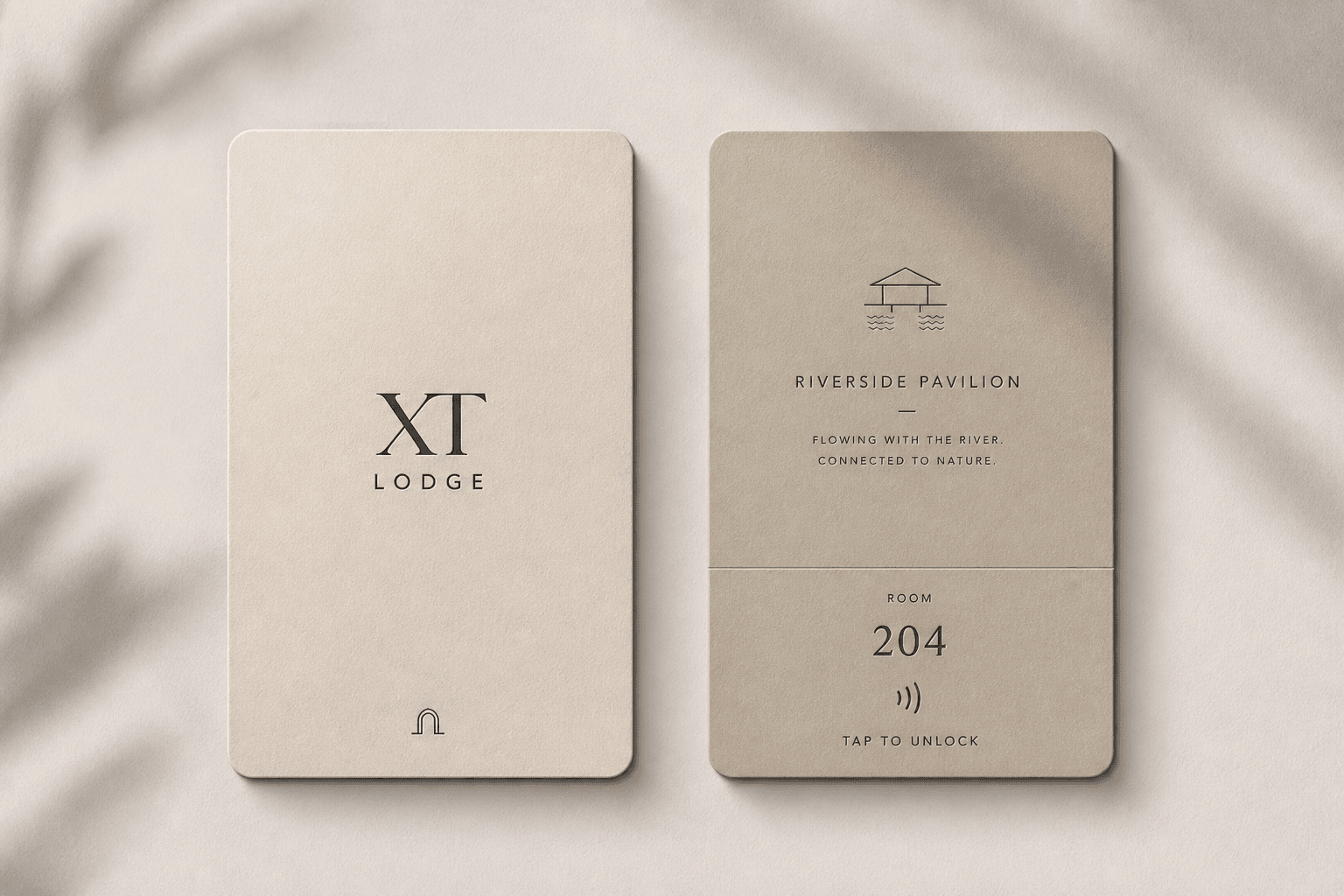
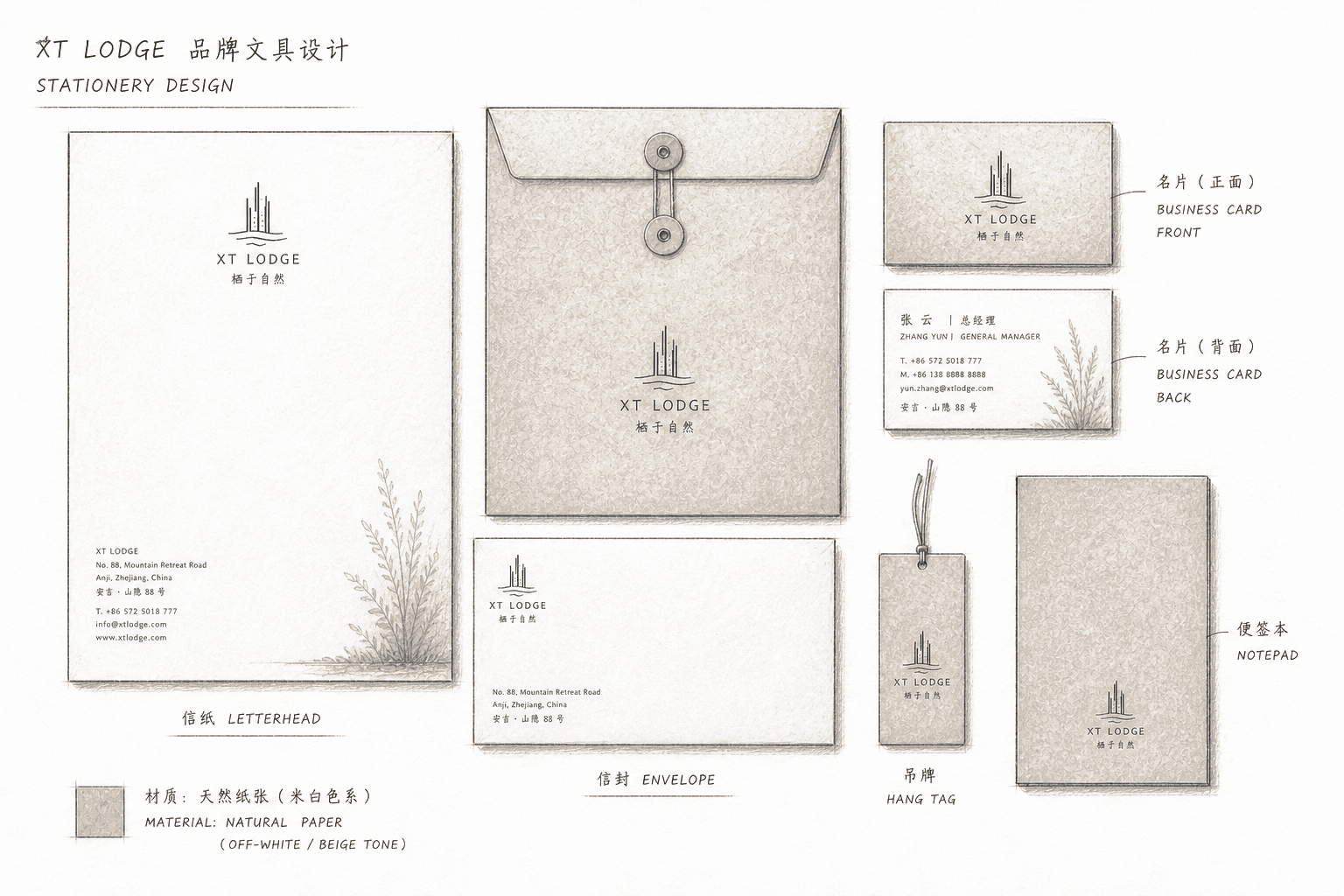
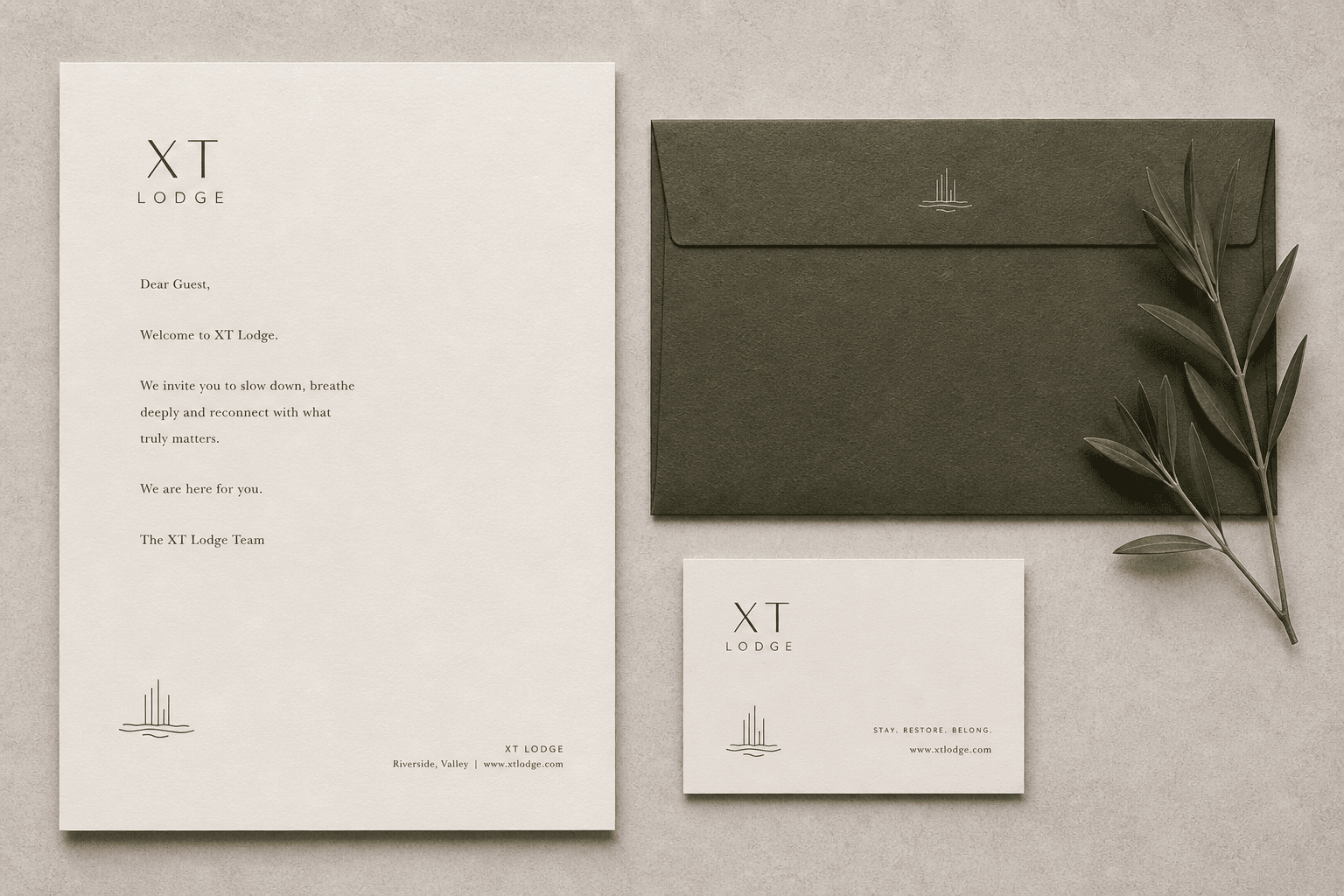
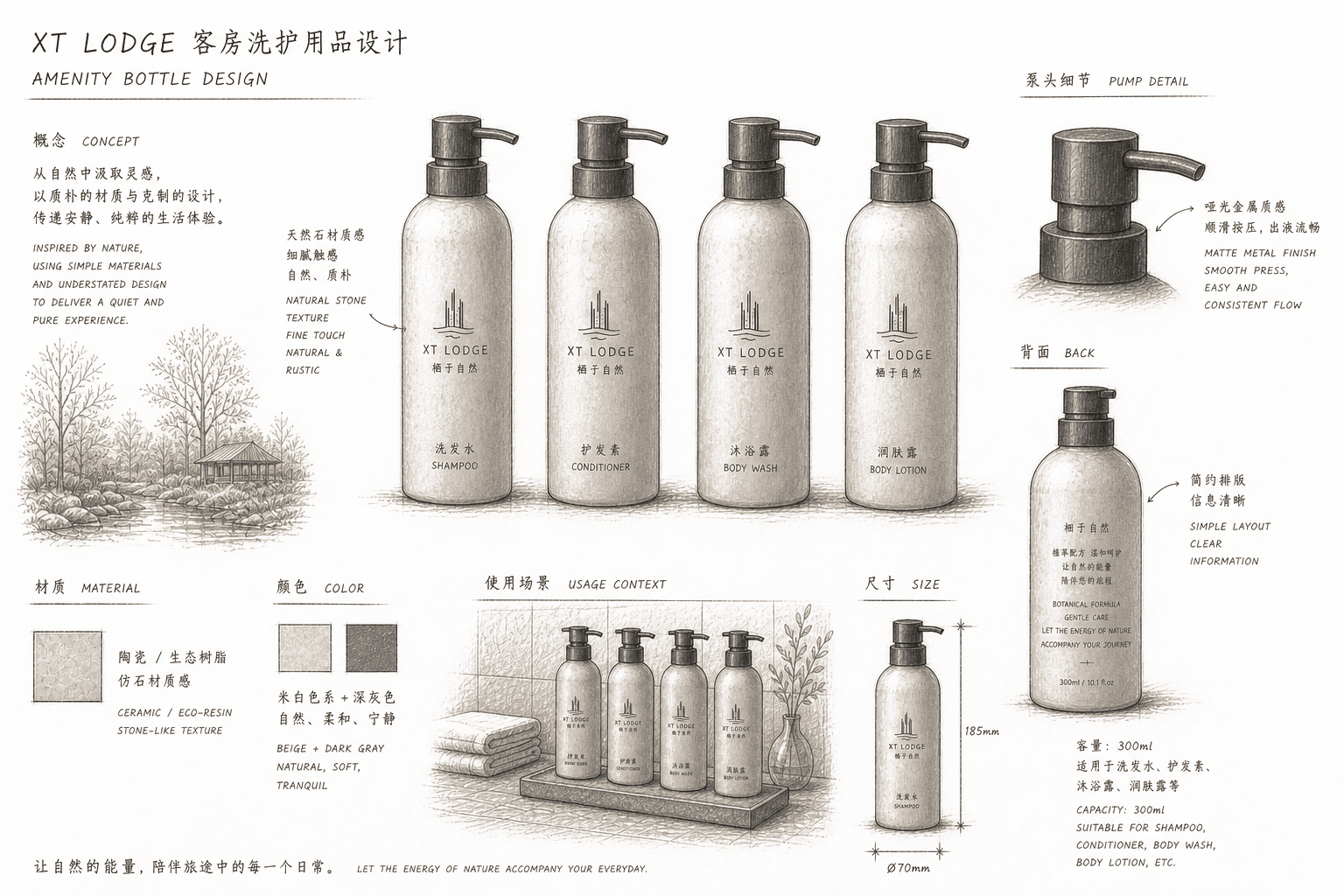
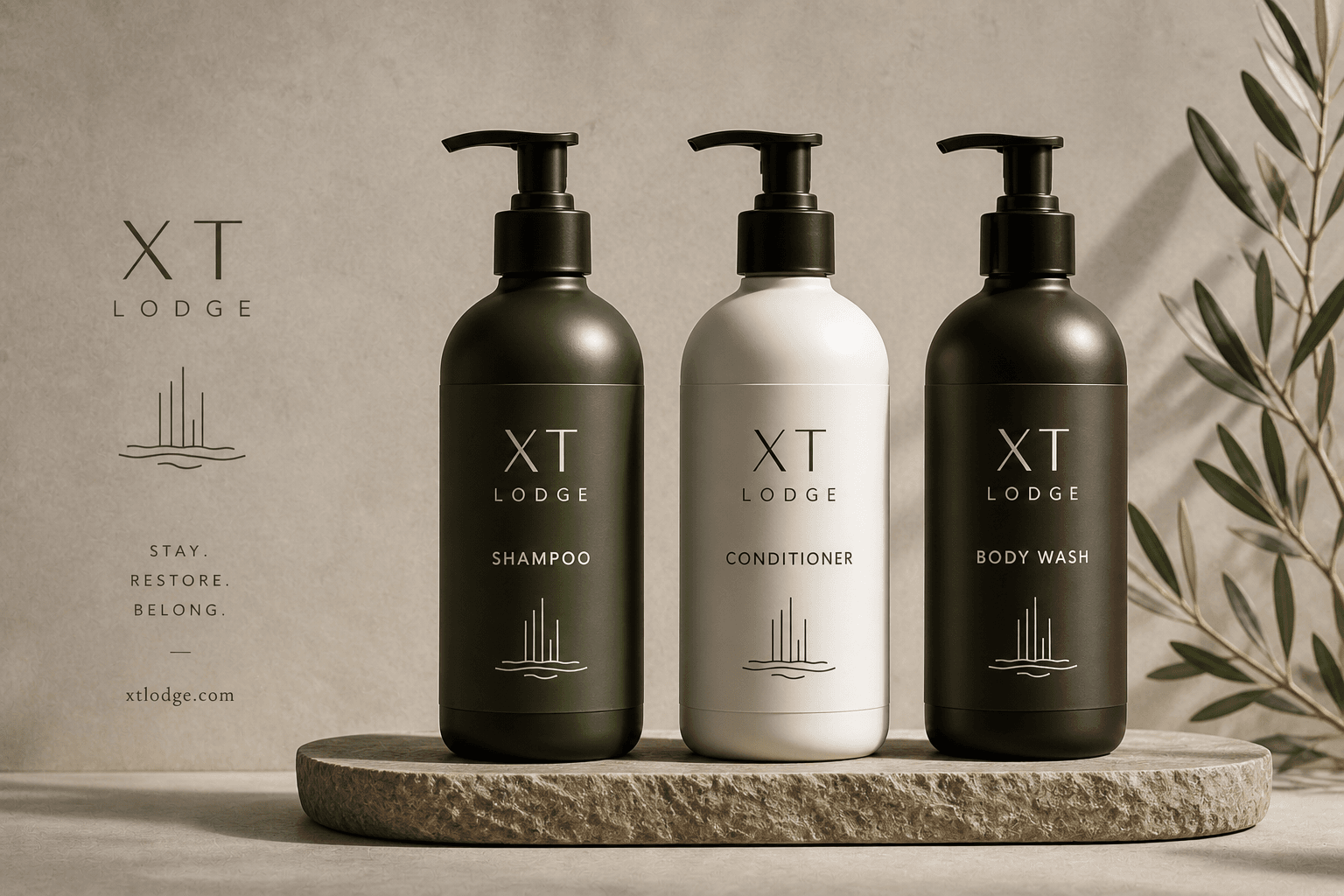
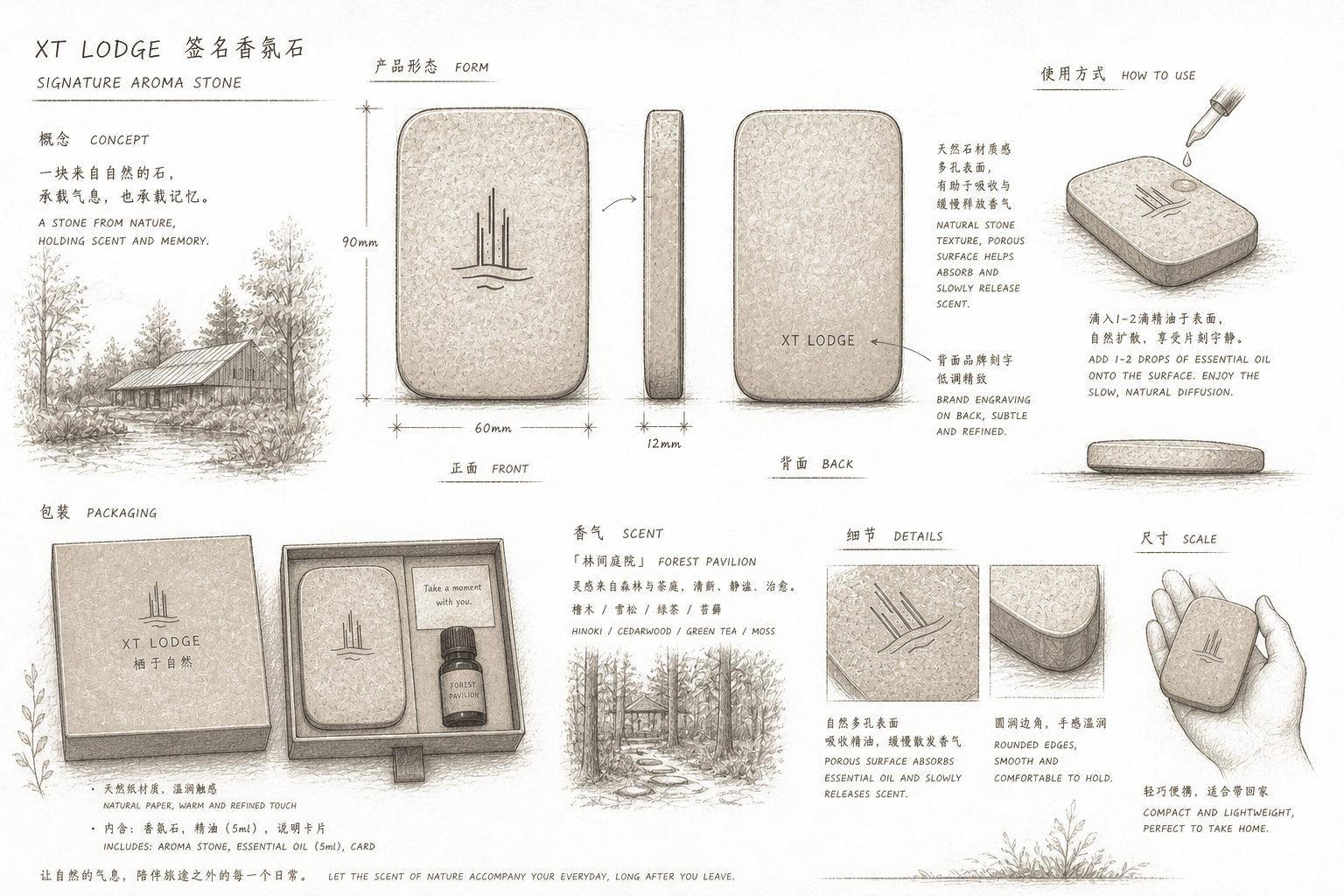
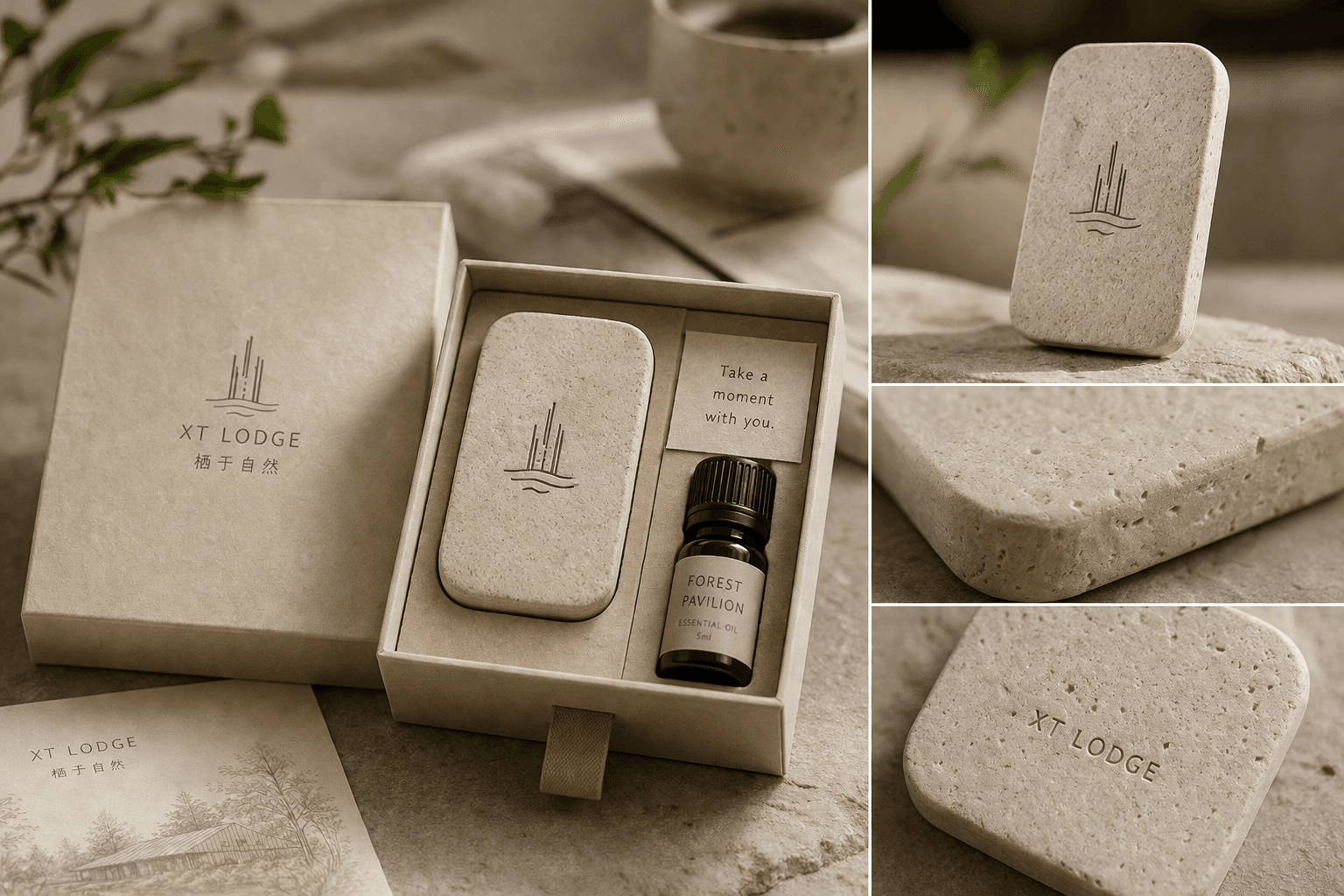
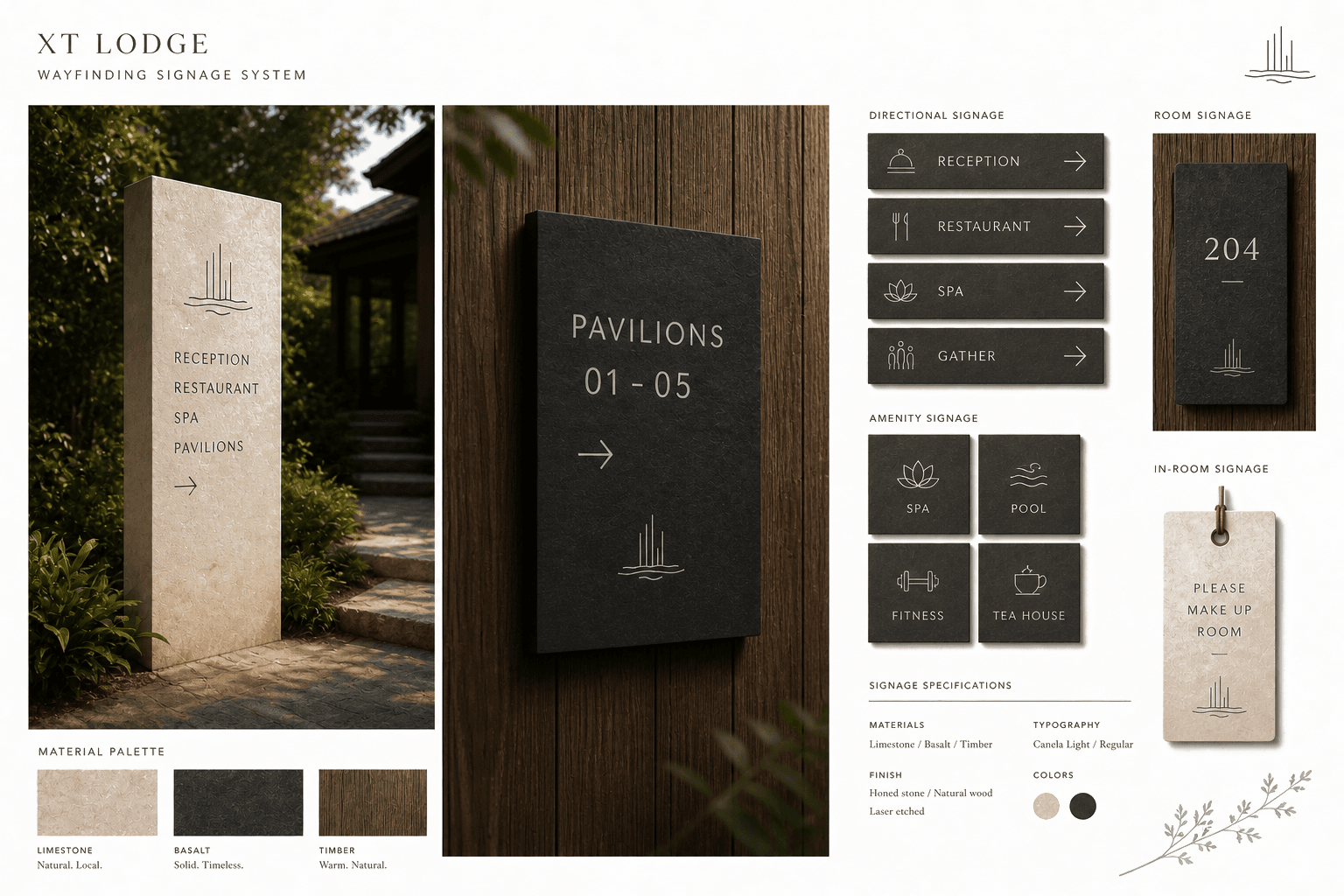
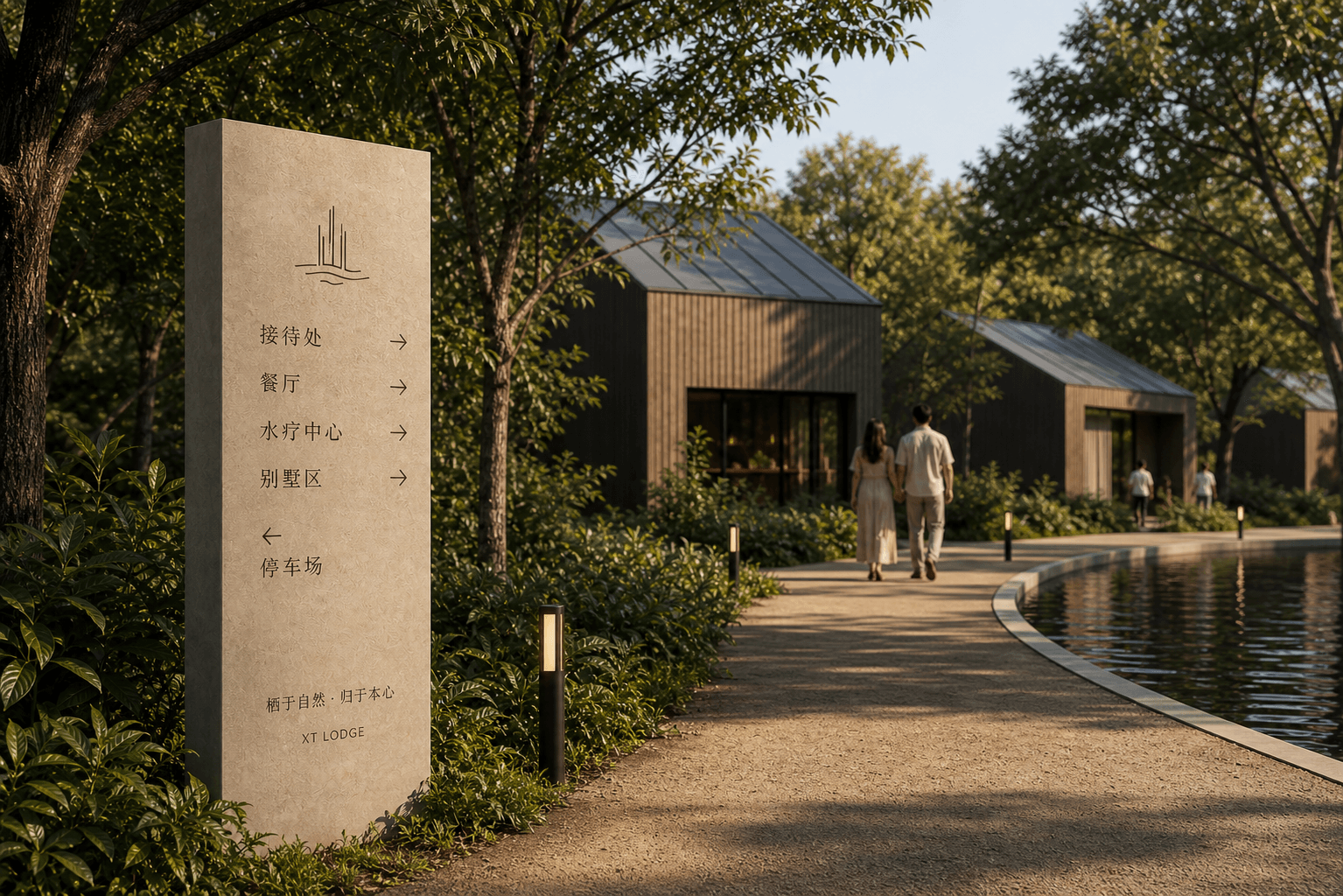
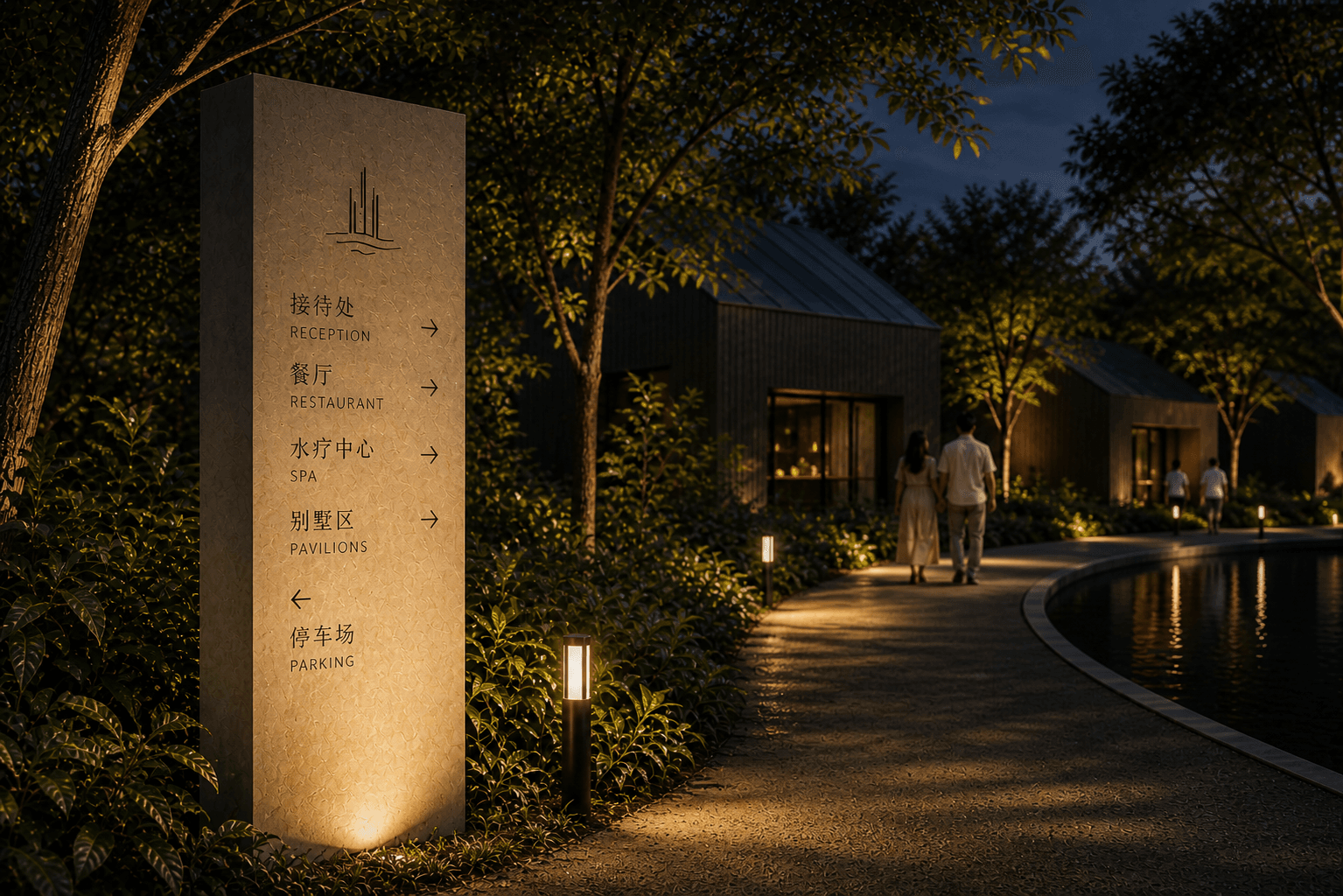
The wayfinding system was developed as the final act of the brand: the point at which identity meets architecture in the most literal sense. Signage was designed with the same material sensibility as the interiors: considered proportions, premium substrates, and a bilingual English and Chinese hierarchy that reflects the hotel's position as both a local institution and an international destination.